| Биомолекулы. Липиды | |
|---|---|
| Стероиды: классификация Три наиболее важные группы стероидов составляют стерины, желчные кислоты и стероидные гормоны. Кроме того, к стероидам относят соединения растительного происхождения, обладающие ценными фармакологическими ... | |
| А. Стерины Стеринами называются стероидные спирты. Все стерины содержат (β-гидроксильную группу при С-3 и одну или несколько двойных связей в кольце В и боковой цепи. В молекулах стеринов отсутствуют карбоксильные ... | 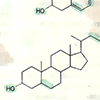 |
| Б. Желчные кислоты Из холестерина в печени образуются желчные кислоты (см. Желчные кислоты). По химическому строению эти соединения близки к холестерину. Для желчных кислот характерно наличие укороченной разветвлённой боковой цепи ... | 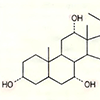 |
| В. Стероидные гормоны Биосинтез стероидных гормонов — процесс не столь заметный в количественном отношении — имеет вместе с тем большое физиологическое значение (см. Метаболизм стероидных гормонов). Стероиды образуют группу липофильных сигнальных веществ, ... | 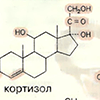 |
Структура:
Списки:
Сложность материала:
Величины и единицы:
 Стероиды. Строение, получение, свойства и биологическое значение, применение в медицине и ветеринарии
 Учебное пособие освещает систематизированную совокупность современных знаний ...
 Microbiology with Diseases by Taxonomy with MasteringMicrobiology (3rd Edition)
 The Third Edition of Microbiology with Diseases by Taxonomy is the most cutting-edge microbiology book available, offering unparalleled currency, ...
 Asphaltenes: Chemical Transformation during Hydroprocessing of Heavy Oils (Chemical Industries)
 During the upgrading of heavy petroleum, asphaltene is the most problematic impurity since it is the main cause of catalyst deactivation and sediments ...
 Внутриклеточная Са2+-зависимая протеолитическая система животных
 Монография представляет собой обобщающее издание, основанное на анализе ...